

Call us now
07313726985

 Send Inquiry
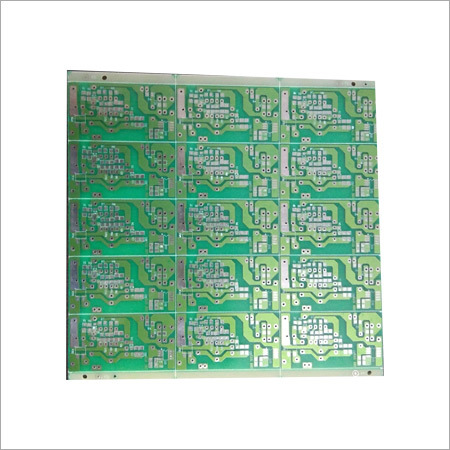
ALUMINIUM COPPER CLAD LAMINATE
Price 1000.0 INR/ Piece
MOQ : 100 Pieces
ALUMINIUM COPPER CLAD LAMINATE Specification
- Hole Size
- 0.2 mm
- Min. Line Spacing
- 0.1 mm
- Flame Resistance Level
- UL94V-0
- Insulation Resistance
- >10^12
- Silkscreen
- Not included
- Test
- Electrical & Visual Inspection
- Impedance
- Controllable (as per design)
- Voltage Endurance
- AC 1.5 kV/min
- Board Type
- Rigid
- Min. Line Width
- 0.1 mm
- Soldermask
- Not included
- Product Type
- Aluminium Copper Clad Laminate
- Base Material
- Aluminium with Electrolytic Copper Cladding
- Surface Finish
- Bare Copper or OSP
- Copper Thickness
- 18~70 m
- Board Thickness
- 0.5~3.2 mm
- Color
- Silver/Metallic with Copper Layer
- Panel Size
- 1220 mm x 1020 mm (Standard) or Custom
- Electrical Components
- None (Laminate Sheet)
- Number Of Layers
- Single Sided / Double Sided
- Chemical Resistance
- Excellent against Alkali & Acid
- RoHS Compliance
- Yes
- Peel Strength
- >= 1.25N/mm
- Typical Application
- LED Lighting, Power Electronics, Automotive PCBs
- Thermal Conductivity
- >1.0 W/mK
- Operating Temperature Range
- -40C to +105C
- Water Absorption
- 0.15%
- Storage Conditions
- Dry, below 25C, avoid direct sunlight
- Packaging
- Protective Film/Wooden Case for Bulk
- Dielectric Constant (r)
- 4.5 at 1 MHz
About ALUMINIUM COPPER CLAD LAMINATE
ALUMINIUM COPPER CLAD LAMINATE
Aluminium Copper Clad Laminate is an advanced thermal management material designed for high-performance electronic and industrial applications. It combines copper conductivity with an aluminium base for superior heat dissipation and mechanical stability.
FEATURES:
Excellent heat dissipation
High electrical conductivity
Durable aluminium base structure
Superior mechanical strength
Reliable thermal performance
Corrosion-resistant surface
APPLICATIONS:
LED lighting systems
Power electronics
Industrial control equipment
Automotive electronics
Electronic circuit manufacturing
BENEFITS:
Enhances thermal management
Improves product reliability
Reduces overheating issues
Increases operational efficiency
Durable and long-lasting material
Suitable for heavy-duty applications
High Thermal and Electrical Performance
This laminate provides efficient thermal conductivity (>1.0 W/mK) and a low dielectric constant (4.5 at 1 MHz), supporting precise, high-frequency signal integrity. Its robust insulation resistance prevents leakage, making it ideal for reliable power delivery in electronics.
Robust and Durable Construction
Built for longevity, the rigid board withstands harsh conditions, with UL94V-0 flame resistance and excellent resistance against acids and alkalis. The base of aluminium clad with electrolytic copper ensures both mechanical strength and superior heat dissipation, crucial for demanding environments.
Versatile Applications and Customization
Available in various thicknesses (0.5-3.2 mm, copper: 18-70 m) and standard or custom sizes, this laminate is perfect for LED lighting panels, automotive electronics, and power modules. Its ability to be tailored to specific needs makes it an adaptable choice for diverse industries.
FAQ's of ALUMINIUM COPPER CLAD LAMINATE:
Q: How is the Aluminium Copper Clad Laminate typically used in electronics?
A: It serves as a foundational substrate in printed circuit board (PCB) manufacturing, especially for LED lighting, automotive, and power electronics. Its high thermal conductivity ensures efficient heat dissipation, making it ideal for applications where thermal management is critical.Q: What benefits does the laminate offer compared to traditional PCB materials?
A: Compared to standard laminates, this material provides better thermal performance, higher peel strength, and excellent chemical resistance. Its robust insulation and flame-retardant properties enhance safety and longevity in demanding environments.Q: When should I choose double-sided vs. single-sided boards?
A: Double-sided laminates are recommended when circuit complexity or design flexibility is required, allowing for more compact layouts and higher component density. Single-sided boards suit simpler designs with fewer interconnections.Q: Where should the laminate be stored to maintain its quality?
A: It should be stored in a dry environment below 25C, away from direct sunlight. Proper storage ensures the laminate maintains its electrical and mechanical properties until use.Q: What is the process for quality checking these laminates before shipment?
A: Each laminate undergoes electrical and visual inspection to confirm compliance with technical specifications, such as insulation resistance, mechanical integrity, and absence of surface defects.Q: How does the laminate perform under chemical or high-temperature stress?
A: The laminate offers excellent resistance to acids and alkalis and retains its structural integrity from -40C to +105C, making it suitable for harsh operating conditions.Q: What are the advantages of the silver/metallic color and bare copper surface finish?
A: The silver or metallic finish with a copper layer provides superior conductivity and facilitates easy soldering. The bare copper or OSP surface supports further PCB processing and assembly without compromising performance.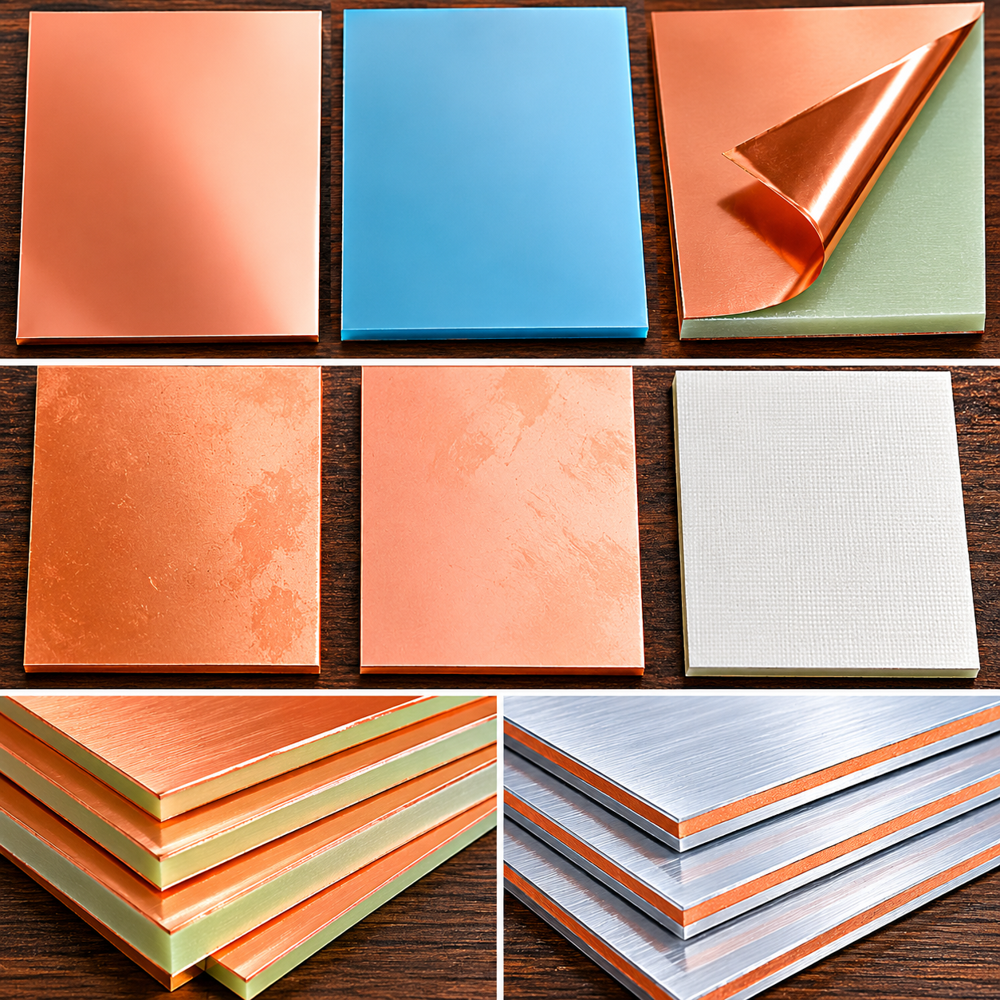
Tell us about your requirement

Price:
Quantity
Select Unit
- 50
- 100
- 200
- 250
- 500
- 1000+
Additional detail
Mobile number
Email

More Products in Printed Circuit Boards Category
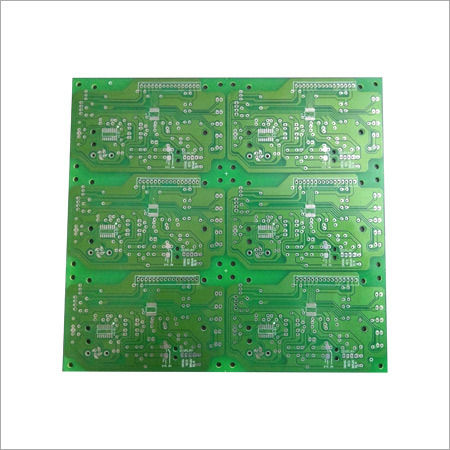
Custom Printed Circuit Board
Price 20000.00 INR / Piece
Minimum Order Quantity : 1 Piece
Soldermask : Other, Green (other colors available)
Test : Other, 100% ETest
Board Thickness : 1.6 mm
Silkscreen : White
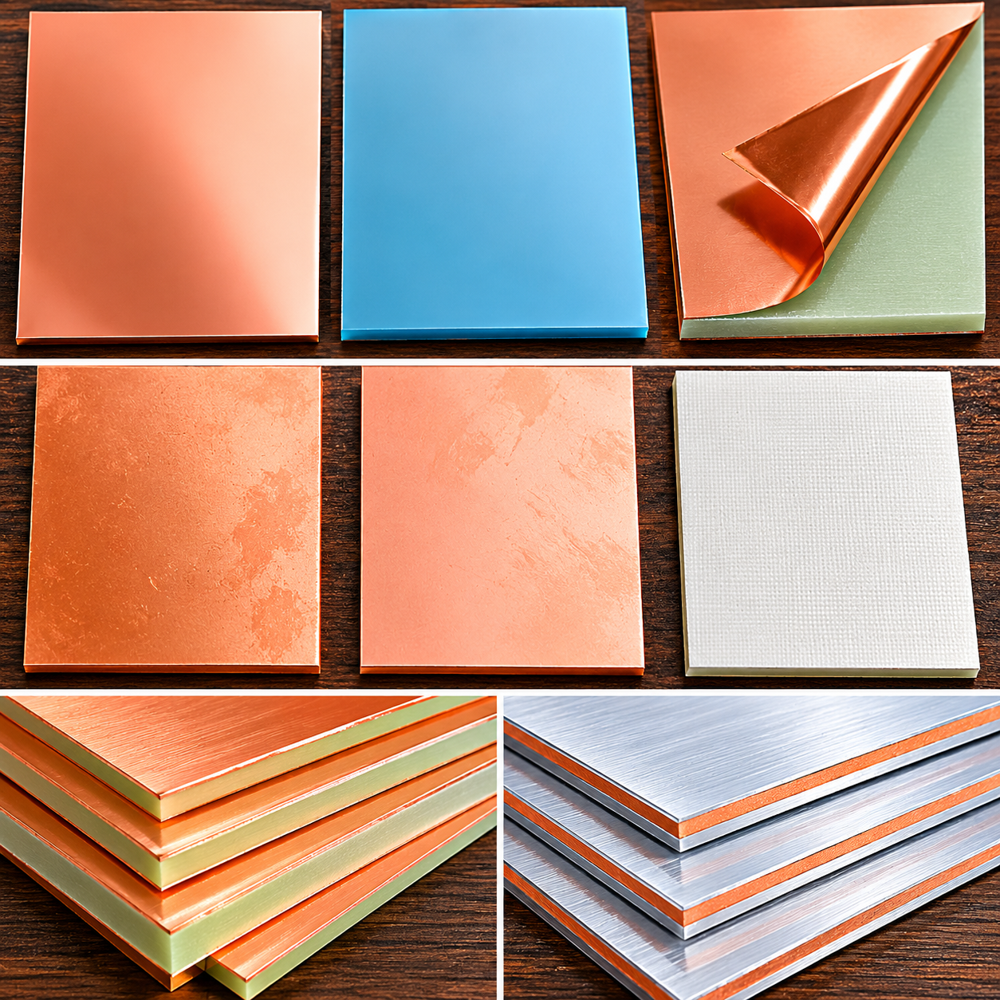
COPPER CLAD LAMINATE (CCL)
Price 1000.0 INR / Piece
Minimum Order Quantity : 100 Pieces
Soldermask : Other, Green, Red, Blue (customizable)
Test : Other, Hipot, Electrical, and Visual Inspection
Board Thickness : 0.4mm to 3.2mm (0.1mm)
Silkscreen : Other, White, Black, or Yellow Ink
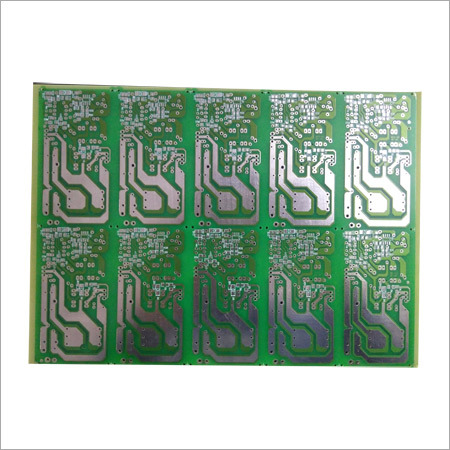
Printed Circuit Board
Minimum Order Quantity : 100 Pieces
Soldermask : Green
Test : Flying Probe Test
Board Thickness : 1.6 Millimeter (mm)
Silkscreen : White

GOEL ENGINEERING WORKS
Ambala, Haryana, India
Ambala, Haryana, India
KHASRA NO-26/6/1, NEAR OLD SOCIETY BANK, VILL. LOHGARH,Ambala - 134007, Haryana, India
Phone :07313726985
 Send Inquiry
 Send Inquiry
 Send SMS
GOEL ENGINEERING WORKS
All Rights Reserved.(Terms of Use)
Developed and Managed by Infocom Network Private Limited.
Developed and Managed by Infocom Network Private Limited.

